
High LDL on keto: should I worry?
On this page
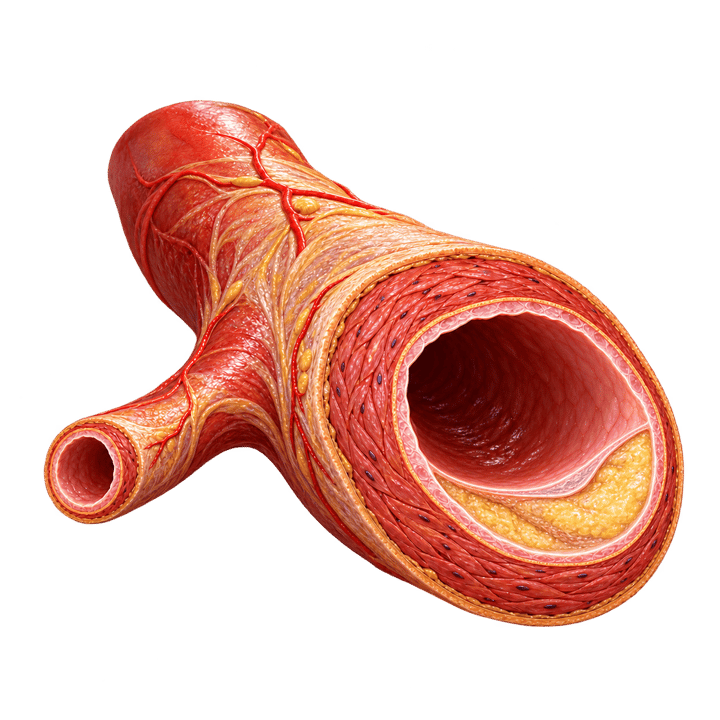
Take it seriously, without panicking. LDL often rises on keto, mostly from the saturated fat, and in some lean people it rises a lot. A high LDL builds plaque on any diet. Check your ApoB, ask your doctor about a calcium scan if you’re a man over 40 or a woman over 45, and try changing the fat before you give up on low carb. The main study saying high LDL is harmless for lean keto eaters was retracted in March 2026.
What we’d do
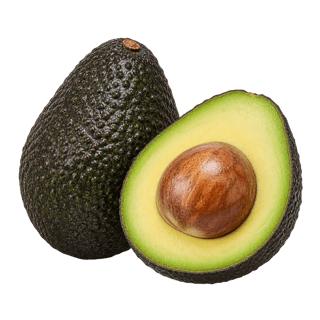
Keep the low carb if it works for you, and swap the butter, bacon and cheese for olive oil, avocado, nuts and fish. Retest in 6 to 12 weeks at the same lab. If your LDL is 190 or more, see a doctor first, since the guideline looks for an inherited cause there.
Why people are confused
Keto often brings real wins: weight comes off, triglycerides fall and HDL rises. The 2026 guideline agrees about the weight and triglycerides, and adds that LDL “can be increased substantially in some individuals”, especially with lots of animal products. When everything else improves and one number jumps, it’s tempting to decide that number doesn’t count.
Why LDL rises
Saturated fat slows the liver’s LDL drain. Each 1% of calories moved from vegetable oils back to saturated fat adds about 2 points, and keto diets built on butter, cheese and fatty meat can move far more than 1%. The guideline also lists ketosis itself and rapid weight loss among the causes of a high LDL.
The lean mass hyper-responder idea
In a 2022 online survey of people on low-carb diets, the leanest, with the lowest triglycerides, often had the biggest LDL rises. The authors named a group with an LDL of 200 or more, HDL of 80 or more and triglycerides of 70 or less, and found that adding some carbs back lowered LDL a lot in a few case reports. Their argument was that LDL this high, in otherwise healthy people, might not carry the usual risk.
A study called KETO-CTA scanned 100 such people a year apart and reported that their ApoB didn’t predict plaque growth. Critics pointed to selective reporting and a short timeframe. In March 2026 the journal retracted it, saying its errors were too great to correct.
What the model says
An ApoB particle doesn’t know what you ate. Each one that gets into the artery wall can stay there, and the dose is the number of particles times the years (what LDL actually does). No study has followed lean keto eaters with very high LDL long enough to show they’re the exception, so we’d treat a high LDL on keto like a high LDL on anything.
What to check
- ApoB. It counts the particles directly, and it’s the better guide when LDL and triglycerides look unusual. ApoB on keto and the ApoB checker on apob.guide have the goals.
- A coronary calcium scan, if you’re a man 40 or older or a woman 45 or older and the decision about treatment is unclear. It shows whether plaque has started (Do I need a calcium scan?).
- Lp(a), once. It’s inherited and adds risk on top.
- The fat swap. Change the fat for 6 to 12 weeks and retest. If LDL falls a lot, you’ve found the cause.
Does keto lower cholesterol? covers what keto does to each number, and fats.guide has the fat swaps that fit a low-carb plate.
6 sources
- Blumenthal RS, Morris PB, Gaudino M and others, 2026 ACC/AHA guideline on the management of dyslipidemia, Circulation, 2026api.iscpcardio.org
- Norwitz NG, Feldman D, Soto-Mota A and others, Elevated LDL cholesterol with a carbohydrate-restricted diet: evidence for a lean mass hyper-responder phenotype, Current Developments in Nutrition, 2022pubmed.ncbi.nlm.nih.gov
- Retraction Watch, Widely criticized keto diet study retracted, 22 May 2026retractionwatch.com
- Mensink RP, Effects of saturated fatty acids on serum lipids and lipoproteins, World Health Organization, 2016, as tabulated by Food Standards Australia New Zealandfoodstandards.gov.au
- Sniderman AD, Thanassoulis G, Glavinovic T and others, Apolipoprotein B particles and cardiovascular disease: a narrative review, JAMA Cardiology, 2019pubmed.ncbi.nlm.nih.gov
- Ference BA, Ginsberg HN, Graham I, Ray KK and others, Low-density lipoproteins cause atherosclerotic cardiovascular disease, European Atherosclerosis Society consensus statement, European Heart Journal, 2017pubmed.ncbi.nlm.nih.gov