How do I lower triglycerides fast?
On this page
Cut alcohol and sweet drinks first, since they push triglycerides up fastest. Walk at least 150 minutes a week, lift weights twice, and lose 5 to 10% of your weight if you carry extra. Retest in 4 weeks, the same way as before. At 500 mg/dL or more, see a doctor within days.
What we’d do
Give it four weeks with no alcohol and no sweet drinks or juice, and see what it does. It’s the quickest experiment in all of cholesterol, and for a lot of people it’s the whole answer. Add a daily walk and two short strength sessions a week. Skip the fish oil from the pharmacy. Then retest fasting, or the same way as last time, so a big breakfast doesn’t hide your progress.
If you remember three things
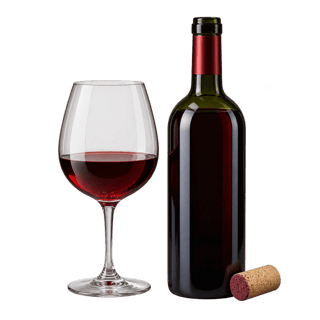
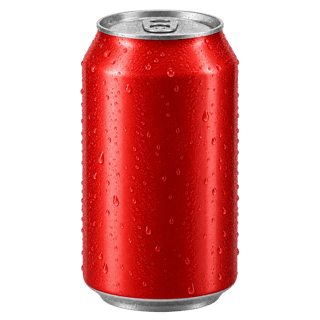
- Drinks first. Alcohol and sugar are the two things in your glass that move triglycerides most.
- Four weeks is enough to see it. Triglycerides follow what you ate and drank over the last few weeks.
- 500 is a doctor visit. From there the risk is to your pancreas, and the plan becomes your doctor’s.
See a doctor first if your triglycerides are 500 or more (within days) or 1000 or more (the same week). Severe pain in your upper belly that spreads to your back means the emergency room. If you drink heavily every day, talk to a doctor before you stop, since stopping suddenly can be dangerous.
Why people reach for the wrong fix
High triglycerides often come with a nudge toward fish oil, so people buy a bottle at the pharmacy and keep the evening wine. The 2026 US guideline says store-bought fish oil isn’t the same as the prescription omega-3 doctors use at very high levels, and it recommends against supplements for lowering triglycerides. In the 2023 SPORT trial, fish oil didn’t lower LDL more than a placebo either.
The faster fix is in your glass and on your plate. The guideline’s own first steps for triglycerides of 150 to 499 are less added sugar, fewer refined carbs and less saturated fat, minimal alcohol, weight loss of 5 to 10%, 150 minutes a week of moderate activity and strength work twice a week.
Like a receipt
Your triglycerides are like a receipt for the last few weeks of eating and drinking. Your LDL is more like a credit score, built up over years. Change what you buy this month and next month’s receipt looks different, which is why triglycerides respond so much faster than LDL.
The four week plan
- Week 0: get a starting panel. Note whether you fasted and what you drank in the two days before. Put the numbers in Is my cholesterol bad?
- Week 1 on: cut alcohol. Stop for the four weeks, or cut back hard. A US drink is 14 g of alcohol: 12 oz of beer, 5 oz of wine or 1.5 oz of spirits.
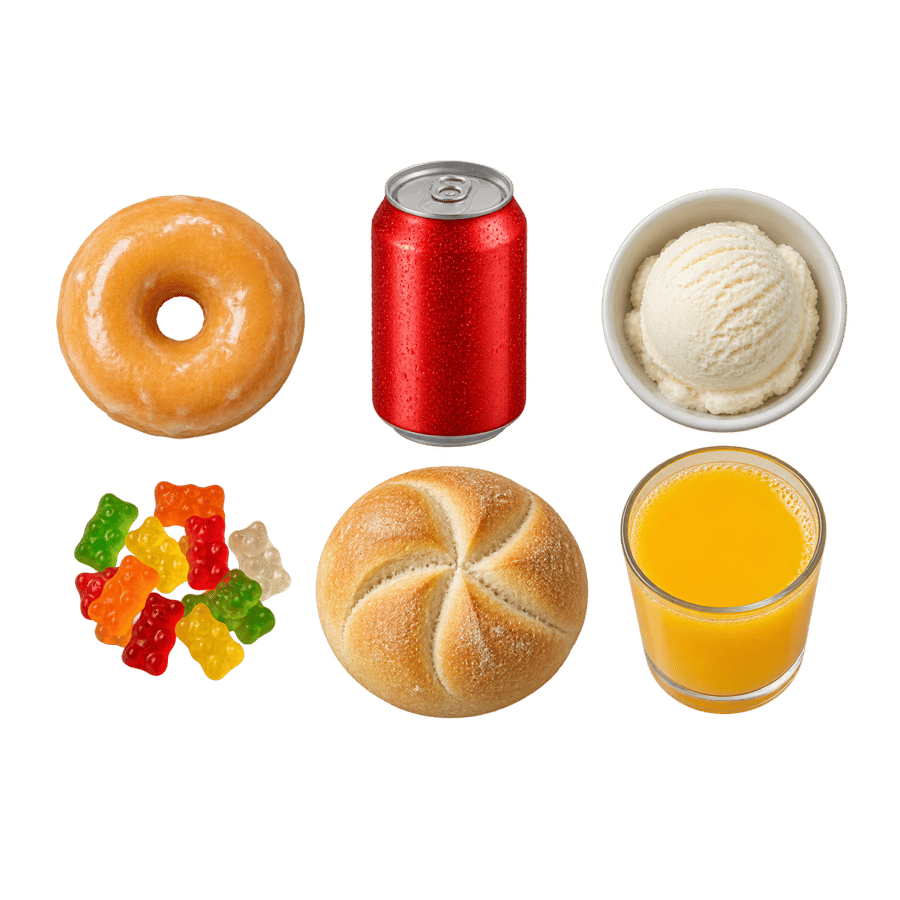
- Week 1 on: drop sweet drinks and juice. Then cut pastry, cookies and sweets. Swap white bread and white rice for whole grains where you can.
- Week 1 on: move. Walk at least 150 minutes a week, about 20 minutes a day, and lift weights or do body weight exercises twice a week.
- If you carry extra weight: lose 5 to 10%. That’s 10 to 20 pounds at 200 pounds. Set a pace with your calories to lose.
- Week 4 or later: retest. Fasting, or the same way as before, at the same lab.
How much each change takes off
| Change | Triglycerides | From |
|---|---|---|
| Lose weight | About −1.8 mg/dL per pound (1.3 to 2.4). About 18 at 10 pounds, 36 at 20 | The 2026 guideline’s pooled analysis, 4.0 per kg |
| Eat less sugar | About −10 (6 to 13) | 37 trials |
| Drink less | About −6 (2.5 to 8.9) for each 2 drinks a day you cut | 42 studies |
| Lose weight, any amount, over 6 to 12 months | About −12 | 83 trials pooled |
| For scale: a statin | −20 to −40% | The 2026 guideline |
These come from separate studies, so don’t add them up. The alcohol number comes from studies at about 2 drinks a day. What would lower yours? shows each change against your own numbers once you add your triglycerides.
The lines to know
| Triglycerides (mg/dL) | mmol/L | What to do |
|---|---|---|
| Under 150 fasting, or under 175 after eating | Under 1.7 or 2.0 | Nothing to fix |
| 150 to 499 | 1.7 to 5.6 | This plan, and retest in 4 weeks |
| 500 to 999 | 5.7 to 11.2 | See a doctor within days. No alcohol, and cut sweet drinks today |
| 1000 or more | 11.3 or more | See a doctor the same week. The guideline’s first step is a very low fat diet with no alcohol or added sugar, planned with a dietitian |
The 500 line is about your pancreas. Around 500 to 700, the guideline explains, the enzyme that clears triglycerides can’t keep up, and big fat particles from your gut build up in your blood. Pancreatitis causes constant, severe pain in the upper belly that can spread to the back, and very high triglycerides, usually over 1,000, are one of its causes.
How to tell if it worked
Triglycerides swing more than any other number on your panel. In a pooled analysis of 30 studies, a person’s own triglycerides typically varied by about 23% from test to test with nothing changed. Add lab error, and a drop needs to be about 42% to be probably real, and 64% to be sure. At 260, that means falling to about 150 before you can be fairly confident.
A normal meal adds up to about 26 mg/dL for up to six hours, so test fasting both times, or eat the same kind of breakfast both times, and if your result is borderline, test again a few weeks later. Did it really go down? does the math on two panels.
Why triglycerides and insulin go together
High triglycerides often travel with high blood sugar, and the guideline lists poorly controlled diabetes among their causes, along with alcohol, sugar, kidney disease, an underactive thyroid and some medicines. If yours stay high after four weeks of this plan, ask your doctor to check your blood sugar and thyroid, and to look at your medicines. glucose.guide covers blood sugar.
Who this plan isn’t for
- Triglycerides of 500 or more. See a doctor first.
- Heavy daily drinking. Stopping suddenly can bring on withdrawal, which can be dangerous, so plan it with a doctor.
- Pregnancy. Triglycerides rise in pregnancy, most of all in the third trimester. Talk to your midwife or doctor.
- You take a cholesterol medicine. Keep taking it. Your prescriber sets your goal and any change.
10 sources
- Blumenthal RS, Morris PB, Gaudino M and others, 2026 ACC/AHA guideline on the management of dyslipidemia, JACC and Circulation, 2026doi.org
- Rimm EB and others, Moderate alcohol intake and lower risk of coronary heart disease: meta-analysis of effects on lipids and haemostatic factors, BMJ, 1999pubmed.ncbi.nlm.nih.gov
- Te Morenga LA and others, Dietary sugars and cardiometabolic risk: systematic review and meta-analyses of randomized controlled trials, American Journal of Clinical Nutrition, 2014pubmed.ncbi.nlm.nih.gov
- Zomer E and others, Interventions that cause weight loss and the impact on cardiovascular risk factors, Obesity Reviews, 2016pubmed.ncbi.nlm.nih.gov
- Langsted A, Freiberg JJ, Nordestgaard BG, Fasting and nonfasting lipid levels, Circulation, 2008pubmed.ncbi.nlm.nih.gov
- Smith SJ, Cooper GR, Myers GL, Sampson EJ, Biological variability in concentrations of serum lipids, Clinical Chemistry, 1993pubmed.ncbi.nlm.nih.gov
- Laffin LJ and others, Comparative effects of low-dose rosuvastatin, placebo, and dietary supplements on lipids and inflammatory biomarkers (SPORT), JACC, 2023pubmed.ncbi.nlm.nih.gov
- National Institute on Alcohol Abuse and Alcoholism, What is a standard drink?niaaa.nih.gov
- MedlinePlus, Alcohol withdrawal, US National Library of Medicinemedlineplus.gov
- MedlinePlus, Acute pancreatitis, US National Library of Medicinemedlineplus.gov