Keto lowers your cholesterol
Short answerSort of
On this page
Sort of. Keto usually drops triglycerides and weight fast, and the 2026 US guideline says so. But LDL can rise a lot in some people, mostly when the diet leans on butter, meat and cheese, and the guideline lists ketosis among the causes of a high LDL. Whether keto lowers your cholesterol depends on which number you look at, and on you.
What we’d do
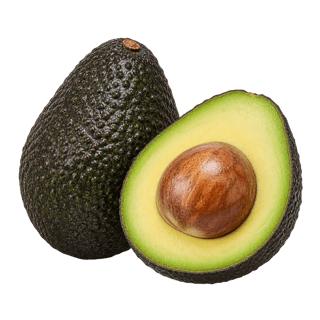
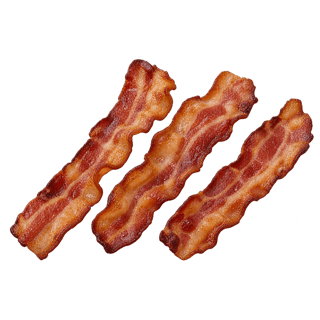
If you go keto, get a panel before you start and another 6 to 12 weeks in, at the same lab, the same way. If your triglycerides fell and your LDL held steady, good. If your LDL jumped, keep the low carb part and change the fat: olive oil, avocado, nuts and fish in place of butter, bacon and cheese. If it reaches 190 or more, see a doctor.
If you remember three things
- Triglycerides usually fall. Lower carb eating goes with bigger drops in weight and triglycerides.
- LDL can go up a lot in some people. Mostly with a lot of animal fat, says the guideline.
- Retest to find out which you are. People respond very differently, and only your own panel tells you.
Why people believe it
Keto often delivers fast, visible results: the scale drops, triglycerides fall, HDL creeps up, and some people’s total cholesterol comes down too. Those are real changes, and they make it easy to assume everything on the panel improved. The keto story also casts carbs and insulin as the villains, which makes fat sound harmless.
The number that often goes the other way is LDL, and it’s the one the guideline sets goals for.
Like a trade
Keto is a trade. You usually gain on weight and triglycerides, and some people pay for it in LDL. Whether it’s a good trade depends on which way your own LDL moves, and by how much. A month of eating bacon and butter tells you nothing about your neighbor’s result, and theirs tells you nothing about yours.
What the guideline says
The 2026 US guideline takes both sides of keto in a few lines. Lower carb eating patterns “have been associated with greater weight and TG reduction”. Ketogenic diets bring significant short-term weight and triglyceride loss, but “LDL-C can be increased substantially in some individuals, particularly when there is high consumption of animal products”.
It also lists ketosis next to rapid weight loss and high saturated fat intake as causes of a high LDL. And for people whose LDL reaches 190 or more because of a keto diet, it asks doctors to help them bring LDL down while still keeping the goal they went keto for.
Why the fat you pick decides it
The LDL rise comes mostly from saturated fat, and keto can be built with a lot of it or a little. In Mensink’s pooled analysis of 69 feeding trials, each 1% of calories moved from saturated fat to vegetable oils lowered LDL about 2.1 mg/dL. Run that the other way and a keto diet built on butter and cheese pushes LDL up.
| Keto staple | Saturated fat (USDA) | Swap | Saturated fat |
|---|---|---|---|
| 1 tbsp butter | 7.3 g | 1 tbsp olive oil | 1.9 g |
| 1 oz cheddar | 5.4 g | 1 oz almonds | 1.1 g |
| 2 slices bacon | 2.8 g | Half an avocado | 2.1 g |
| 3 oz sirloin steak | 4.8 g | 3 oz salmon | 2.0 g |
At 2,000 calories, 1% is about 2.2 g of fat. Swapping the first two rows alone saves about 10 g of saturated fat a day, a little over 4% of calories, which works out to roughly 7 to 9 mg/dL of LDL in Mensink’s numbers, depending on how much of the replacement is olive oil and how much is seed oils.
How to tell what keto did to you
Retest after 6 to 12 weeks, at the same lab, the same way. Remember that two LDL results can differ about 19% by chance, so a change from 120 to 135 could be noise, while a change from 120 to 180 is not. If you lost a lot of weight quickly, retest again once your weight has held, since fast weight loss can raise LDL for a while on its own.
Look at non-HDL too (your total minus HDL). On keto, falling triglycerides and rising HDL can make the total look fine while non-HDL climbs.
If your LDL went very high, High LDL on keto: should I worry? covers the lean mass hyper-responder idea, the study that was retracted in 2026, and why ApoB and a calcium scan are the better checks.
The best case for keto
“A higher LDL on keto doesn’t carry the usual risk in people who are lean and metabolically healthy.” Some low carb advocates make this argument. No trial has tested it by counting heart attacks, and the guideline treats a keto-driven LDL of 190 like any other, as something to bring down. Across 26 statin trials with about 170,000 people, each 39 mg/dL lower LDL cut heart attacks and strokes by about a fifth, and the trials found no group in which LDL stopped mattering.
The question of carbs, insulin and weight is its own argument, and bodyfat.guide takes it on in the insulin myth.
5 sources
- Blumenthal RS, Morris PB, Gaudino M and others, 2026 ACC/AHA guideline on the management of dyslipidemia, JACC and Circulation, 2026doi.org
- Mensink RP, Effects of saturated fatty acids on serum lipids and lipoproteins, World Health Organization, 2016, as tabulated by Food Standards Australia New Zealandfoodstandards.gov.au
- Smith SJ, Cooper GR, Myers GL, Sampson EJ, Biological variability in concentrations of serum lipids, Clinical Chemistry, 1993pubmed.ncbi.nlm.nih.gov
- US Department of Agriculture, FoodData Central, SR Legacy 173410 (butter), 168322 (bacon), 173414 (cheddar), 171413 (olive oil), 171705 (avocado), 170567 (almonds) and 175168 (salmon)fdc.nal.usda.gov
- Cholesterol Treatment Trialists' Collaboration, Efficacy and safety of more intensive lowering of LDL cholesterol, Lancet, 2010pubmed.ncbi.nlm.nih.gov