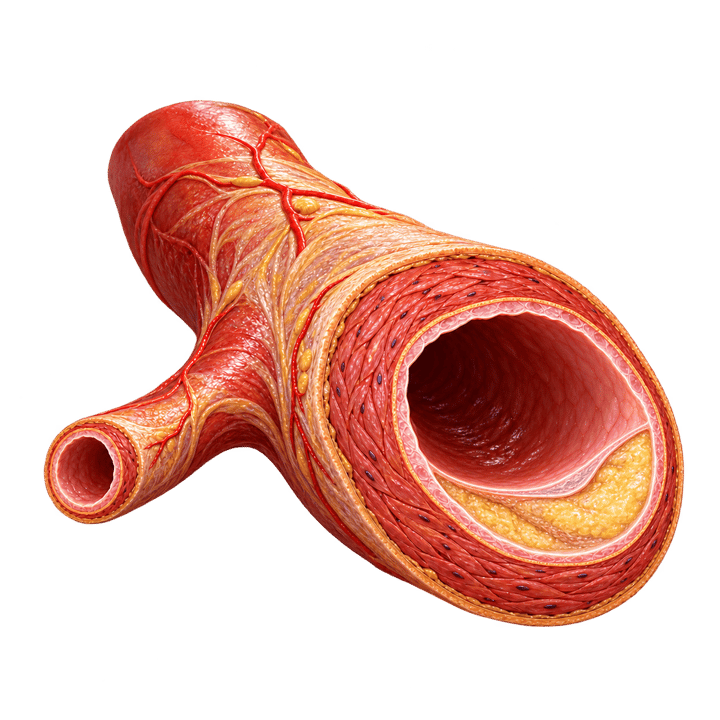
How do I lower my cholesterol naturally?
On this page
Two changes do the most. Cook with olive or vegetable oils instead of butter and swap fatty meat and cheese for fish, beans and nuts. Then build up to about 10 g of psyllium husk a day. Each one took about 10 to 13 points off LDL in trials. Retest at the same lab 6 to 12 weeks later.
What we’d do
Do the fat swap and the psyllium in the first two weeks, since they’re the biggest and they work on different parts of the system. Add oats, beans, soy and nuts after that. Skip the supplement pills, which did nothing in a fair trial. Then retest the same way at the same lab and see what your body did. If your gap to your goal is 40 points or more, start the food changes and book the doctor conversation at the same time, rather than waiting a year to find out food wasn’t enough.
If you remember three things
- Replace saturated fat with vegetable oils. About 2 points of LDL for every 1% of your calories you move.
- Add 10 g of psyllium a day. About 13 points in 28 trials, built up over a week with plenty of water.
- Retest at 6 to 12 weeks, same lab, same way. A drop under about 19% can be chance, so judge it against the noise.
Start with a doctor instead if your LDL is 190 or more, you’ve had a heart attack, stroke, stent or bypass, or you’re pregnant. If you take a cholesterol medicine, keep taking it and do these changes alongside it.
Why most cholesterol diets go nowhere
A lot of people who are told their cholesterol is high get a list of 20 good foods and a vague “watch the fat”. They add oatmeal, keep the butter, try a garlic pill, and retest three months later at a different lab after a big breakfast. The number barely moves, or it moves in the wrong direction, and they decide diet doesn’t work for them.
The trials say food does work, by a size you can predict. You need the right changes, at the dose the trials used, and a fair retest.
The plan, week by week
- Week 0: get a starting panel. Use the lab you’ll use again. Write down whether you fasted, and test the same way next time. Put the numbers in Is my cholesterol bad? to see your gap.
- Week 1: build up psyllium. Start with a few grams a day and work up to about 10 g of psyllium husk, split over two or three meals. Take each dose with at least 8 oz (240 ml) of water or another drink. Keep it 3 hours away from digoxin, aspirin and nitrofurantoin, and ask your pharmacist about your other medicines.
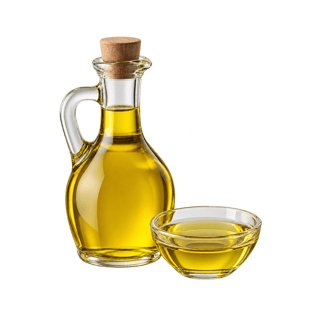
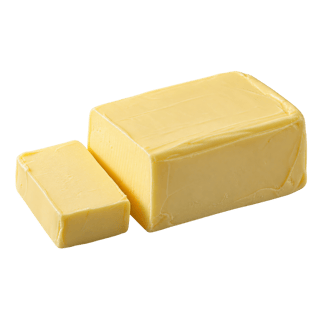
- Weeks 1 and 2: do the fat swap. Cook with olive, canola or sunflower oil instead of butter, ghee or coconut oil. Swap fatty red meat and processed meat for fish, chicken, beans or tofu a few times a week. Use less cheese and choose hummus, nuts or avocado where it fits.
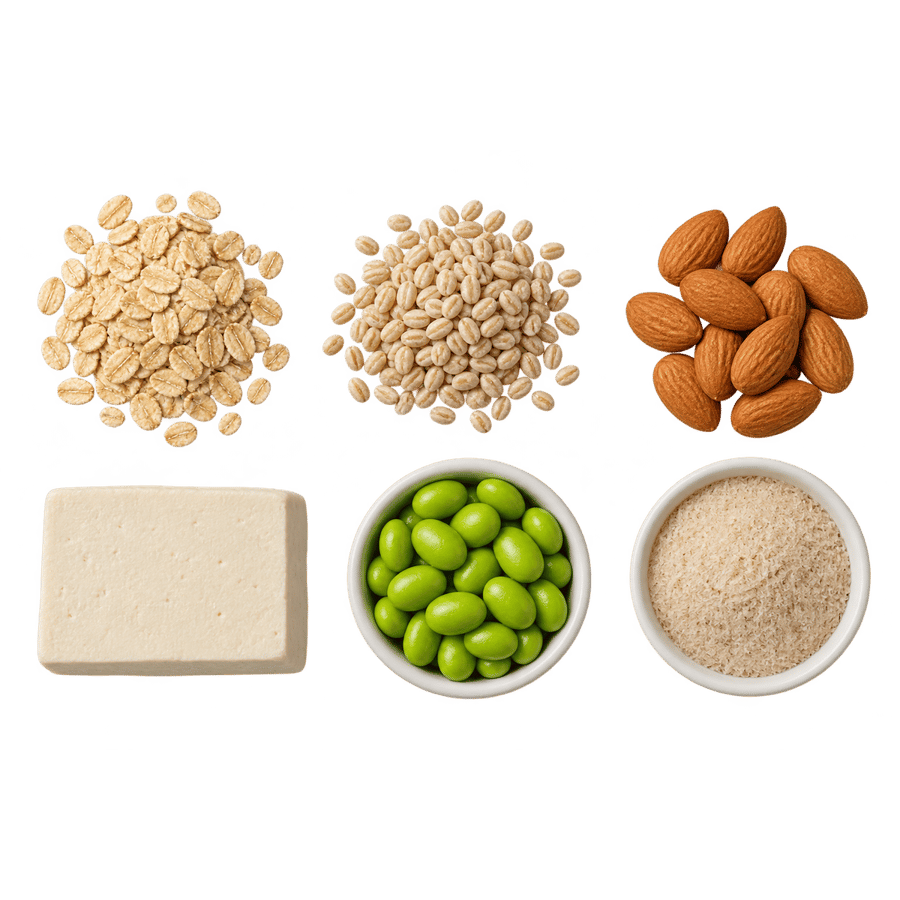
- Weeks 2 to 6: add the rest. Oats or barley most days, beans or lentils several times a week, soy foods and a handful of nuts. Lose weight if you carry extra (your calories to lose).
- Weeks 6 to 12: retest. Same lab, same fasting, similar time of day. Compare the two panels with Did it really go down?
How much each change takes off
Take an LDL of 145 mg/dL (3.7 mmol/L) at borderline risk, with a goal under 100. That’s a gap of 45.
| Change | About this much off an LDL of 145 | From |
|---|---|---|
| The portfolio diet, all together, for a month | About 41 (28.6%) | One trial of 46 adults |
| 10 g of psyllium a day | About 13 (10 to 15) | 28 trials |
| 5% of calories from saturated fat to vegetable oils | About 11 (10 to 12) | 69 feeding trials |
| Losing weight, any amount, 6 to 12 months | About 8 | 83 trials |
| About 3.5 g of oat beta-glucan a day | About 7 (5 to 9) | 58 trials |
These come from separate trials, so don’t add them up. Together they usually come to less than the sum, and nobody has measured exactly how much less. A gap of 45 is large enough that you’d want the whole portfolio approach, or a talk with your doctor about medicine. Put in your own number below.
The fat swap, in real food
At 2,000 calories a day, 1% of your calories is about 2.2 g of fat. Each 2.2 g of saturated fat you replace with vegetable oils takes about 2.1 mg/dL off LDL, in the pooled feeding trials. With olive oil it’s about 1.6, and with carbs about 1.3, so what goes in counts as much as what comes out.
| Instead of | Have | Saturated fat saved (USDA) |
|---|---|---|
| 1 tbsp butter in the pan | 1 tbsp olive oil | 7.3 g to 1.9 g |
| 1 oz cheddar on a cracker | 2 tbsp hummus | 5.4 g to 0.8 g |
| 3 oz sirloin steak | 3 oz salmon | 4.8 g to 2.0 g |
Two tablespoons of butter a day swapped for olive oil comes to about 8 mg/dL of LDL. Higher or lower is a ten round game that shows how surprising the grams are (the croissant beats the steak).
What a day can look like
- Breakfast: oatmeal made with soy milk, with walnuts and berries. Psyllium stirred into a glass of water.
- Lunch: a lentil or bean salad dressed with olive oil, or a hummus and vegetable wrap.
- Dinner: salmon or tofu with vegetables roasted in canola oil, and barley or brown rice.
- Snacks: a handful of almonds, fruit, a second dose of psyllium with water.
None of these meals are unusual. The change is mostly which fat you cook with and what sits beside the vegetables.
The month that matched a statin
In 2003 David Jenkins and his team in Canada put 46 adults with high cholesterol on one of three diets for a month. A very low saturated fat diet lowered LDL 8.0%. The same diet plus a starter statin lowered it 30.9%. The portfolio diet, with soy protein, almonds, viscous fiber and plant sterols (the guideline describes the sterols as coming in an enriched margarine), lowered it 28.6%, too close to the statin to tell apart.
In real life it’s about half that. In a 2011 trial, 351 adults got 6 months of advice and cooked for themselves. The portfolio groups lowered LDL about 13 to 14%, about 24 to 26 mg/dL, against 3% on standard advice, and the people who stuck to it most lowered it most.
What about supplements?
In the 2023 SPORT trial, 190 adults at higher heart risk took a 5 mg statin, a placebo, or one of six supplements for 28 days: fish oil, cinnamon, garlic, turmeric, plant sterol pills or red yeast rice. The statin lowered LDL 35% more than placebo. None of the supplements beat placebo. The 2026 guideline recommends against supplements for lowering LDL. There’s more in the supplements myth.
How to tell if it worked
Two LDL results can differ about 19% by chance, so at 145 a drop to 125 (14%) could be noise. A drop to about 118 or lower is probably real, and to about 104 or lower almost certainly is. If your result lands in between, keep going and test again in another 6 to 8 weeks rather than giving up. The details are in how to test, and how to tell if it changed.
If you made the changes, gave them 12 weeks and your LDL is still well over your goal, you haven’t failed. Your genes set much of your LDL (when it’s your genes), and that’s the moment to talk with your doctor about medicine (when medicine is the conversation to have).
The fight: will this prevent a heart attack?
“These diet trials lasted weeks and measured a blood test. None of them counted heart attacks.” That’s true. The food trials measured LDL and stopped there, without counting heart attacks or deaths.
The case that lower LDL protects rests on other evidence. In 26 statin trials with about 170,000 people, each 39 mg/dL taken off cut heart attacks, strokes and artery procedures by about a fifth. People born with genes that lower LDL 28% had 88% less heart disease over 15 years, with no pills involved. We expect LDL lowered by food to protect the same way, and your retest tells you whether yours fell.
Who this plan isn’t for
- An LDL of 190 or more. See a doctor first. That’s where the guideline looks for FH and recommends a statin.
- Heart disease already. Your goal is under 55 or 70, and the plan is your cardiologist’s. These food changes still help alongside it.
- Pregnancy. Cholesterol rises in pregnancy on purpose. Talk to your midwife or doctor.
- Trouble swallowing, or a past bowel blockage or rectal bleeding. Ask your doctor before taking psyllium.
13 sources
- Mensink RP, Effects of saturated fatty acids on serum lipids and lipoproteins, World Health Organization, 2016, as tabulated by Food Standards Australia New Zealandfoodstandards.gov.au
- Jovanovski E and others, Effect of psyllium fiber on LDL cholesterol and alternative lipid targets, American Journal of Clinical Nutrition, 2018pubmed.ncbi.nlm.nih.gov
- Ho HV and others, The effect of oat beta-glucan on LDL-cholesterol, non-HDL-cholesterol and apoB, British Journal of Nutrition, 2016pubmed.ncbi.nlm.nih.gov
- Jenkins DJ and others, Effects of a dietary portfolio of cholesterol-lowering foods vs lovastatin on serum lipids and C-reactive protein, JAMA, 2003pubmed.ncbi.nlm.nih.gov
- Jenkins DJ and others, Effect of a dietary portfolio of cholesterol-lowering foods given at 2 levels of intensity of dietary advice on serum lipids in hyperlipidemia, JAMA, 2011pubmed.ncbi.nlm.nih.gov
- Laffin LJ and others, Comparative effects of low-dose rosuvastatin, placebo, and dietary supplements on lipids and inflammatory biomarkers (SPORT), JACC, 2023pubmed.ncbi.nlm.nih.gov
- Zomer E and others, Interventions that cause weight loss and the impact on cardiovascular risk factors, Obesity Reviews, 2016pubmed.ncbi.nlm.nih.gov
- Blumenthal RS, Morris PB, Gaudino M and others, 2026 ACC/AHA guideline on the management of dyslipidemia, JACC and Circulation, 2026doi.org
- Cholesterol Treatment Trialists' Collaboration, Efficacy and safety of more intensive lowering of LDL cholesterol, Lancet, 2010pubmed.ncbi.nlm.nih.gov
- Cohen JC, Boerwinkle E, Mosley TH, Hobbs HH, Sequence variations in PCSK9, low LDL, and protection against coronary heart disease, NEJM, 2006pubmed.ncbi.nlm.nih.gov
- Smith SJ, Cooper GR, Myers GL, Sampson EJ, Biological variability in concentrations of serum lipids, Clinical Chemistry, 1993pubmed.ncbi.nlm.nih.gov
- MedlinePlus, Psyllium, US National Library of Medicinemedlineplus.gov
- US Department of Agriculture, FoodData Central, SR Legacy 173410 (butter), 171413 (olive oil), 173414 (cheddar), 174289 (hummus), 175168 (salmon) and 168727 (sirloin)fdc.nal.usda.gov