Do eggs raise cholesterol?
On this page
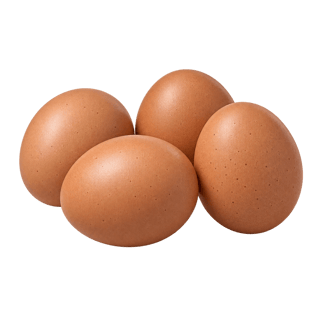
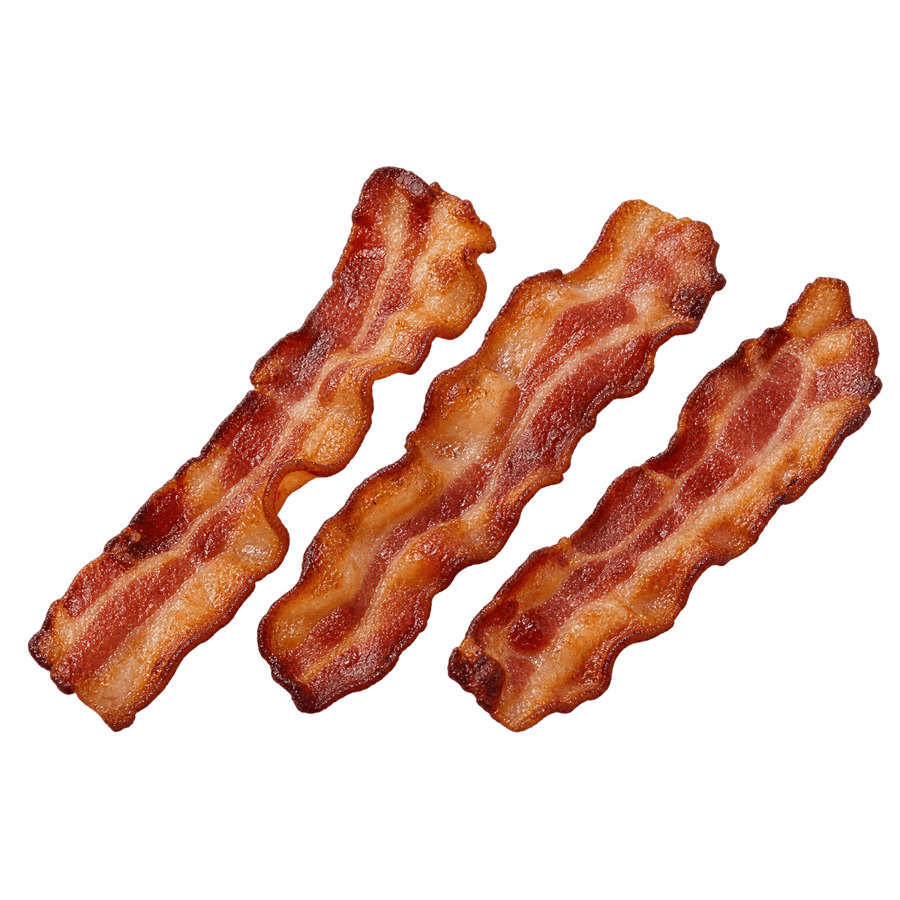
Not much for most people. The 2026 US guideline says eating that limits saturated fat lowers LDL more reliably than cutting the cholesterol in food. A large egg has about 1.6 g of saturated fat. Two slices of bacon have about 2.8 g, and the tablespoon of butter in the pan about 7.3.
What we’d do
Eat the eggs, and change what’s around them. Cook them in olive oil instead of butter, and put them next to vegetables or whole grain toast instead of bacon and sausage. That’s the part of breakfast that moves LDL. If your LDL is 190 or more, see a doctor before you change anything, since that’s where the guideline looks for an inherited cause.
Why eggs got the blame
An egg yolk is packed with cholesterol, so it seemed obvious that eating it would raise yours. But your liver makes all the blood cholesterol your body needs. The guideline puts it plainly: focusing on eating patterns that limit saturated fat and add unsaturated fat “produces more consistent LDL-C lowering than restricting dietary cholesterol.”
Blaming the egg for your LDL is a bit like blaming the bun for a cheeseburger.
What a trial of eggs found
In the PROSPERITY trial at Duke, 140 adults with heart disease or at least two risk factors (median age 66) were split into two groups for four months. One ate at least 12 eggs a week, which the study provided. The other ate fewer than 2. At the end, LDL in the egg group was about 3 points lower than in the low-egg group, a difference small enough to be chance (somewhere between 11 points lower and 5 points higher).
The trial has real limits. It was small, people knew which group they were in, and they reported their own diets. The eggs were fortified with vitamins, minerals and omega-3s, and the American College of Cardiology’s release on the trial said they had less saturated fat than ordinary eggs. Eggland’s Best, the egg company, paid for it. It’s an encouraging result, but it was 140 people eating special eggs.
What moves LDL more
Saturated fat. In Mensink’s analysis of 69 feeding trials for the World Health Organization, each 1% of your daily calories moved from saturated fat to vegetable oils lowered LDL about 2.1 mg/dL, and to olive oil about 1.6. At 2,000 calories, 1% is about 2.2 g of fat.
| On the plate | Saturated fat |
|---|---|
| A large egg | 1.6 g |
| Two slices of bacon | 2.8 g |
| 1 oz of cheddar | 5.4 g |
| 1 tablespoon of butter | 7.3 g |
| 1 tablespoon of olive oil | 1.9 g |
Swap the tablespoon of butter for olive oil every morning and you take out about 5.4 g of saturated fat a day, about 2.5% of your calories. By the trials, that’s about 4 points off your LDL, from the pan and not the egg.
When to test it on yourself
The guideline still lists a high cholesterol intake among the food causes of a high LDL, and people vary in how much food changes move their numbers. If you eat several eggs a day and your LDL is high, try two months with fewer, keep the rest of your eating the same, and retest at the same lab. Higher or lower shows where an egg lands against bacon, butter and cheese.
8 sources
- Blumenthal RS, Morris PB, Gaudino M and others, 2026 ACC/AHA guideline on the management of dyslipidemia, JACC, 2026doi.org
- The same guideline, full text, Circulation, 2026api.iscpcardio.org
- CDC, About cholesterolcdc.gov
- Nouhravesh N and others, Effects of fortified eggs and time-restricted eating on cardiometabolic health: the PROSPERITY trial, American Heart Journal, 2025pubmed.ncbi.nlm.nih.gov
- ClinicalTrials.gov, PROSPERITY, NCT04673721, sponsor Duke University, collaborator Eggland's Bestclinicaltrials.gov
- American College of Cardiology, Eggs may not be bad for your heart after all, press release, 28 March 2024acc.org
- Mensink RP, Effects of saturated fatty acids on serum lipids and lipoproteins, World Health Organization, 2016, as tabulated by Food Standards Australia New Zealandfoodstandards.gov.au
- US Department of Agriculture, FoodData Central, SR Legacy 171287 (egg), 168322 (bacon), 173410 (butter), 173414 (cheddar) and 171413 (olive oil)fdc.nal.usda.gov